





 Send Inquiry
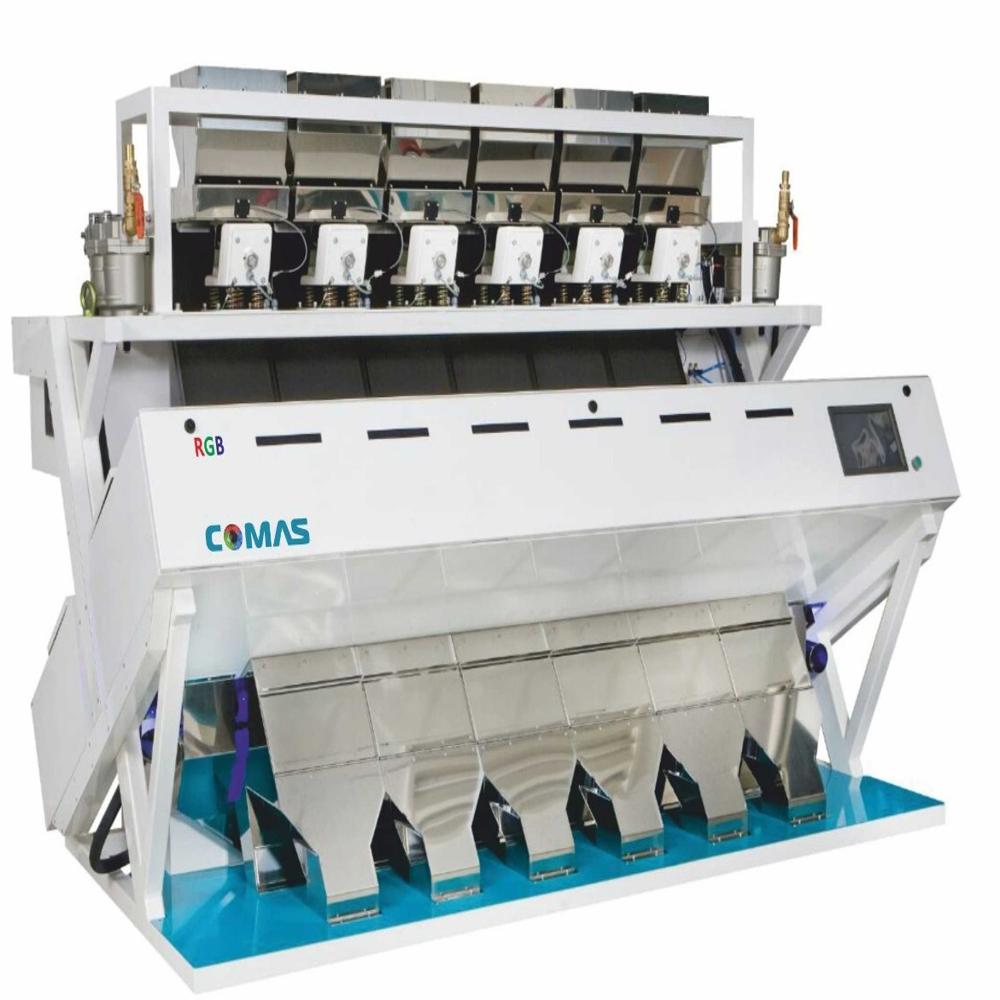
Grain Sorting Machine
Price 500000.0 INR/ Unit
MOQ : 1 Unit
Grain Sorting Machine Specification
- Weight
- 620 kg
- Channels
- 64 Channels
- Usage
- Sorting and Grading Grains
- Accuracy
- 99% Sorting Accuracy
- Dimension (L*W*H)
- 1570mm x 1620mm x 1750mm
- Air Compressor
- Included, Oil-Free, High Efficiency
- Output
- Adjustable Output with Multiple Grades
- Power
- 1.5 kW
- Capacity
- 1 - 2 Tons per Hour
- Type
- Automatic Optical Grain Sorting Machine
- Air Pressure
- 0.6-0.8 MPa
- Application
- Rice, Wheat, Pulses, Seeds, Coffee Beans, Corn, and other Cereals
- Control System
- Touch Screen Interface
- Reject Ratio
- 10:1 Adjustable
- Lighting Source
- Advanced LED with Long Life Span
- Data Storage
- Supports Batch Data Recording
- Sorting Technology
- CCD Camera with LED Illumination
- Noise Level
- 75 dB
- Operating Temperature
- -10C to 45C
- Voltage
- 220V / 50Hz
- Material of Construction
- 304 Stainless Steel, Food Grade
Grain Sorting Machine Trade Information
- Minimum Order Quantity
- 1 Unit
- Delivery Time
- 10-15 Days
About Grain Sorting Machine
The RGB Rice Sorter is a semi-automatic sorting machine designed for industrial applications. With multiple channels, this machine is capable of sorting rice based on color, size, and quality. It comes with an air compressor to ensure smooth and efficient operation. The output of this machine is normal, making it suitable for medium to large scale rice processing facilities.
FAQs of RGB Rice Sorter:
Q: What is the application of the RGB Rice Sorter?
A: The RGB Rice Sorter is designed for industrial use.Q: What type of sorting machine is it?
A: It is a semi-automatic sorting machine.Q: Does it have multiple channels?
A: Yes, it comes with multiple channels for sorting.Q: What is the output capacity of the machine?
A: The output of this machine is normal.Q: Does it come with an air compressor?
A: Yes, it comes with an air compressor for efficient operation.Superior Sorting Precision and Technology
Powered by advanced CCD camera technology coupled with high-lifespan LED illumination, this grain sorting machine ensures excellent grain detection and separation. The touch screen interface provides intuitive operation, while the 99% sorting accuracy and adjustable output enable consistent, high-quality results.
Engineered for Efficiency and Longevity
Manufactured with food-grade 304 stainless steel, this robust machine guarantees durability and safety in food processing. The incorporated oil-free, high-efficiency air compressor and LED lighting reduce maintenance needs. The system supports continuous operation even in challenging temperatures from -10C to 45C.
Adaptable for Multiple Grain Types
Designed for versatility, this optical sorter handles a wide variety of grains such as rice, wheat, pulses, seeds, coffee beans, corn, and more. Its adjustable reject ratio and multiple grading outputs allow you to customize sorting parameters to suit different commodity requirements and quality standards.
FAQ's of Grain Sorting Machine:
Q: How does the CCD camera and LED illumination enhance the sorting process in this grain sorting machine?
A: The CCD camera in combination with LED illumination detects subtle differences in color, size, and quality among grains, enabling precise and reliable sorting. This advanced technology ensures that even minor defects or impurities are efficiently separated, contributing to the machine's high 99% sorting accuracy.Q: What grains and cereals can be processed using this automatic optical grain sorting machine?
A: This machine is designed to sort and grade a wide range of agricultural products, including rice, wheat, pulses, seeds, coffee beans, corn, and various other cereals, making it highly versatile for multi-crop processing facilities.Q: When is it appropriate to adjust the reject ratio, and how does it impact sorting results?
A: Adjusting the 10:1 reject ratio is recommended when processing grains with varying levels of impurities or different quality requirements. Modifying the reject ratio helps balance between minimizing waste and maximizing purity, allowing users to optimize sorting performance based on batch quality.Q: Where can this machine be installed and what are the installation requirements?
A: The grain sorting machine can be installed in food processing plants, grain mills, and warehouse facilities. It requires a stable 220V/50Hz power supply, appropriate air pressure (0.6-0.8 MPa), and sufficient space to accommodate its 1570mm x 1620mm x 1750mm dimension and 620 kg weight.Q: What is the process for operating and controlling the grain sorting machine?
A: Operation is streamlined via a user-friendly touch screen interface that allows for easy setting adjustments, output regulation, and monitoring of batch data. The integrated data storage feature supports batch data recording for effective process tracking and quality control.Q: How does using this grain sorting machine benefit distributors, suppliers, and traders in India?
A: By achieving up to 99% sorting accuracy and supporting multiple grain varieties, distributors, suppliers, and traders benefit from higher product quality, reduced labor costs, and enhanced operational efficiency, meeting diverse market demands with consistent results.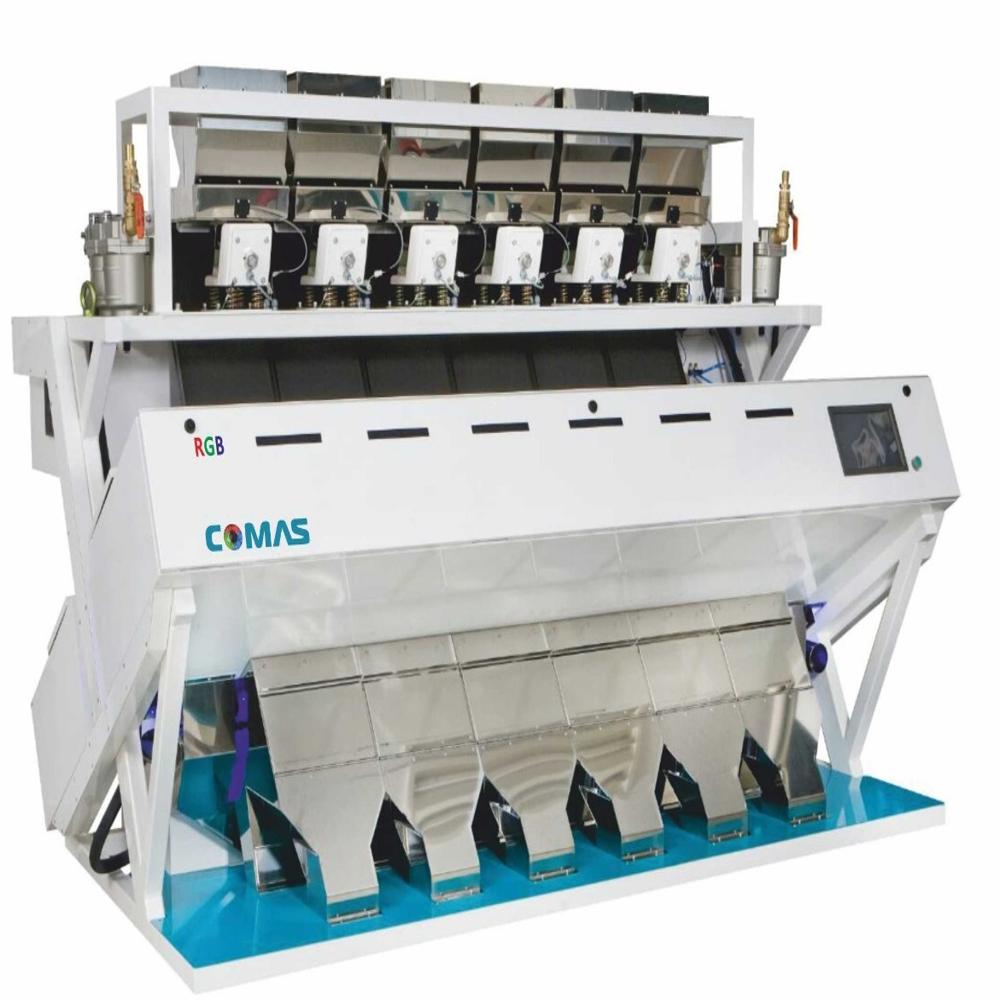
Tell us about your requirement

Price:
Quantity
Select Unit
- 50
- 100
- 200
- 250
- 500
- 1000+
Additional detail
Mobile number
Email

More Products in Sorter Machine Category
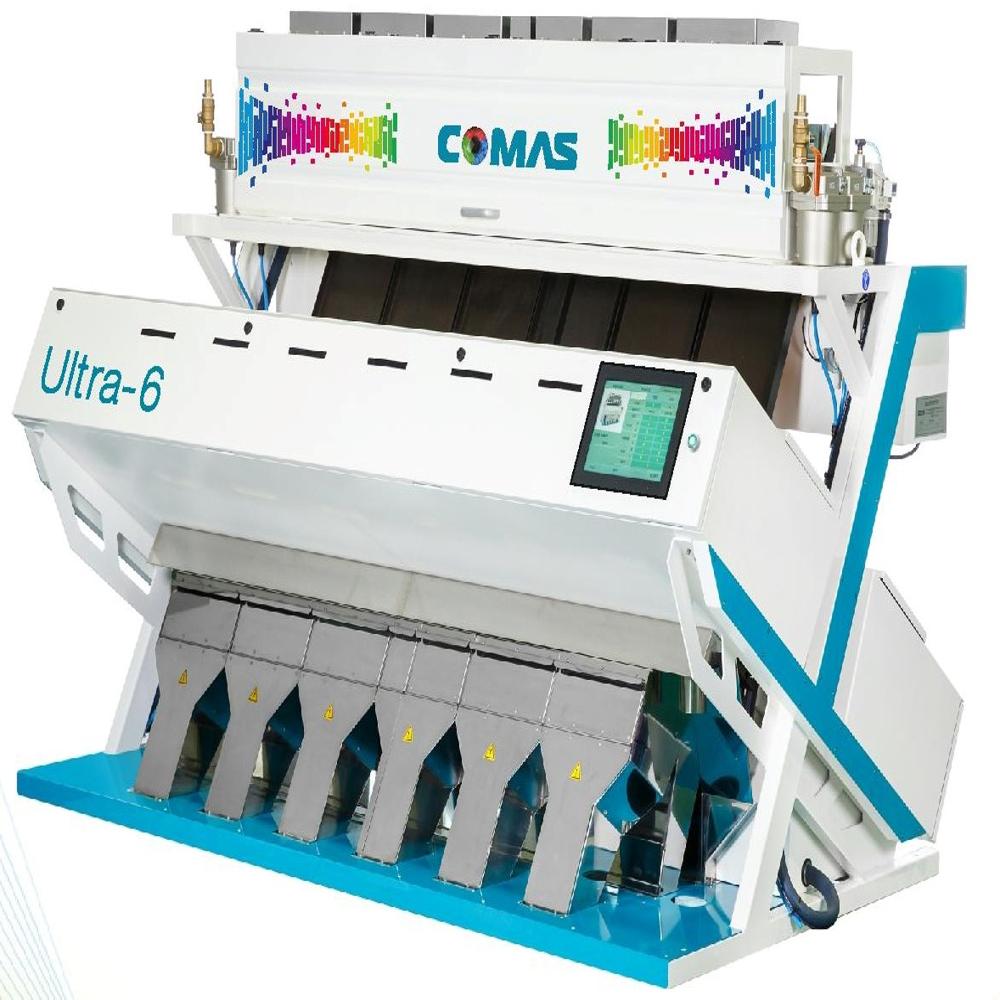
Rice Color Sorter Machine
Price 500000.0 INR / Unit
Minimum Order Quantity : 1 Unit
Accuracy : 99%
Usage : Sorting rice based on color detection
Weight : 750 kg
Channels : 64
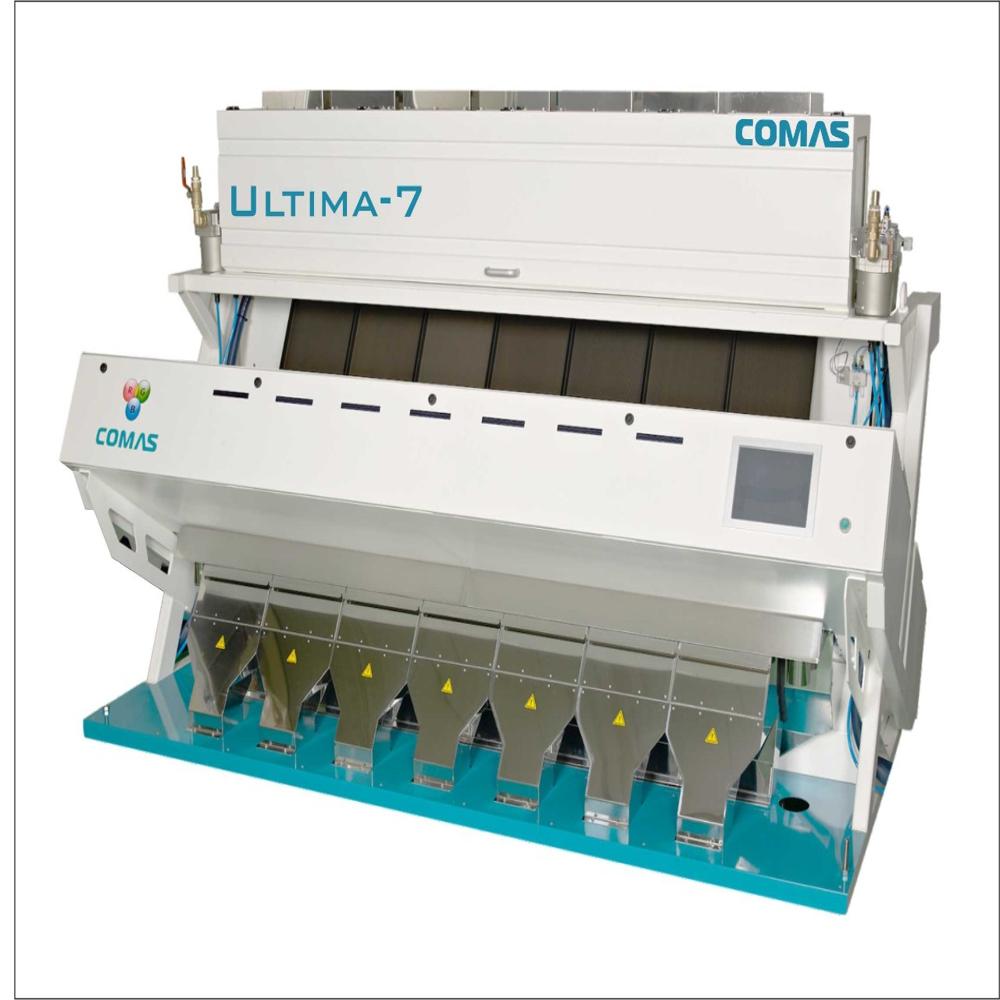
Grain Color Sorter Machine
Price 500000.0 INR / Unit
Minimum Order Quantity : 1 Unit
Accuracy : 99%
Usage : Grain Sorting
Weight : 6001200 kg (Depending on configuration)
Channels : 64 to 256 channels (Modeldependent)
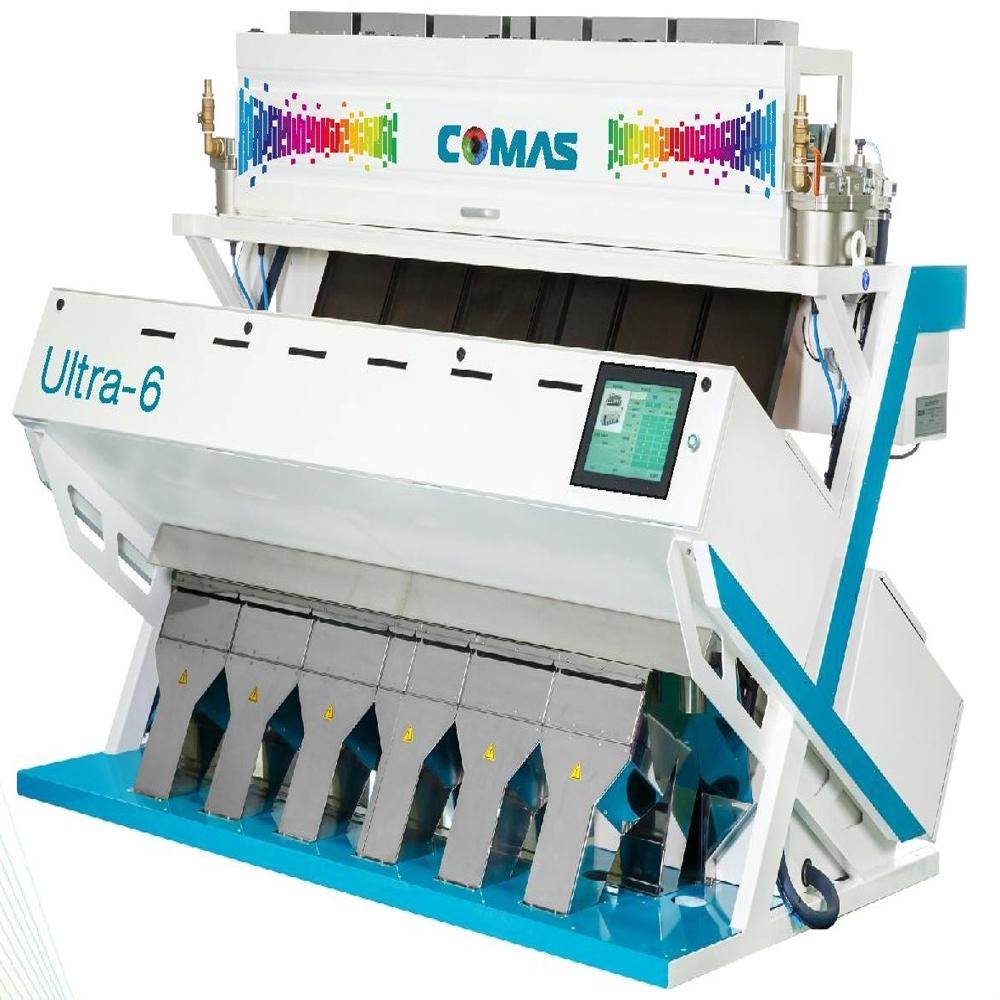
Cashew Sorting Machine
Price 500000.0 INR / Unit
Minimum Order Quantity : 1 Unit
Accuracy : 98%
Usage : Sorting Cashew Nuts by Size and Quality
Weight : 850 kg
Channels : 5
Peanut Sorting Machine
Price 500000.0 INR / Unit
Minimum Order Quantity : 1 Unit
Accuracy : 99%
Usage : Sorting and Grading Peanuts
Weight : Approx. 600 kg
Channels : 64 Channel

GST : 36ABICS0252L1Z6
Plot No 63, Hi-tech Theater Ln, Arunodaya
Colony, Sri Sai Nagar, Madhapur,Hyderabad - 500081, Telangana, India
Phone :07971671060
 Send Inquiry
|


 |
SAANVIKA SOFTWARE SOLUTIONS PRIVATE LIMITED
All Rights Reserved.(Terms of Use) Developed and Managed by Infocom Network Private Limited. |
